How to Save for a House Down Payment While Renting
How to Save for a House Down Payment While Renting
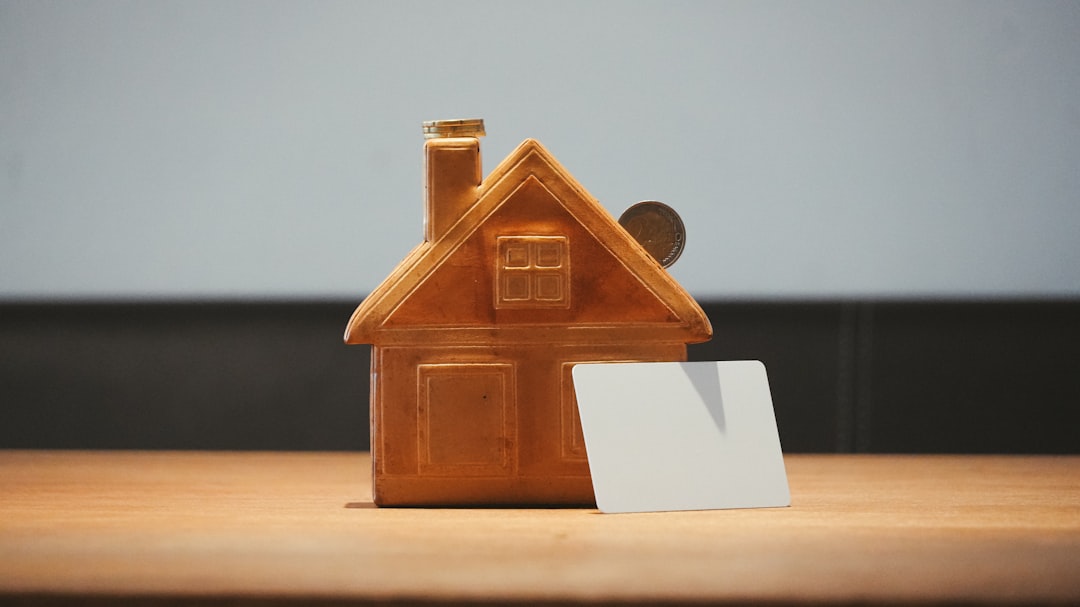
Photo by Pauli Nie on Unsplash
The average down payment on a first home is around $30,000–50,000. Saving that while paying rent, utilities, and everything else feels like a catch-22 — you need money to stop renting, but renting makes it hard to save money.
It's not impossible. Here's a realistic path.
How Much Do You Actually Need?
Let's get specific first.
The 20% myth: You don't need 20% down. That's the threshold to avoid Private Mortgage Insurance (PMI), but many first-time buyers put down 3–10%.
- Conventional 3% down: Available through Fannie/Freddie programs for first-time buyers with decent credit
- FHA loans: 3.5% down with credit scores 580+
- VA loans: 0% down for eligible veterans
- USDA loans: 0% down in eligible rural areas
The trade-off: lower down payment means higher monthly payments and potentially PMI ($50–200/month until you hit 20% equity).
Example calculation:
- Target home price: $350,000
- 5% down: $17,500
- 10% down: $35,000
- 20% down: $70,000
Decide what down payment makes sense for your situation before you start saving a random amount.
Also budget for:
- Closing costs: 2–5% of loan amount ($7,000–17,500 on $350K loan)
- Moving costs: $1,000–5,000
- Immediate repairs/furniture: $2,000–10,000
- Emergency fund: keep 3–6 months expenses intact
A realistic total savings target for a $350K home with 5% down might be $30,000–40,000 all-in.
Building the Savings Plan
Calculate Your Monthly Target
If your target is $35,000 and you want to buy in 3 years: $35,000 ÷ 36 months = ~$975/month
That's a lot. Now figure out where it comes from.
Find the Gap
Current monthly savings rate: $_____ Target monthly savings rate: $_____ Gap: $_____
Close that gap through income increases, expense cuts, or both.
Cutting Expenses Specifically to Hit Down Payment Goals
The difference between "cutting spending" to survive and cutting spending to hit a specific goal is motivation. Having a concrete finish line changes the psychology.
High-impact cuts:
- Downsize your current apartment (saves $200–700/month)
- Eliminate or reduce dining out (median household spends $3,500+/year on restaurants)
- Pause gym membership (use free alternatives until you hit the goal)
- Cancel streaming subscriptions you rarely use
- Cut cable; use antenna + one streaming service
- Refinance high-interest debt to reduce monthly payments
Periodic expense review:
- Renegotiate insurance every year
- Review subscriptions quarterly and cancel unused ones
- Audit your cell phone plan — budget carriers often offer identical service for 40-60% less
Want more saving guides? Get guides like this in your inbox — Frugal Rise delivers one free deep-dive every week.
Increasing Income
One of the fastest ways to accelerate a down payment is to increase earnings.
Job-related:
- Negotiate your next raise proactively
- Pursue a promotion or higher-paying role
- Develop a skill that commands higher pay
Side income:
- Freelance with skills you already have (writing, design, data, tutoring)
- Sell unused items — a thorough declutter can generate $500–2,000
- Rent a room, your car, or storage space
- Gig economy work when it fits your schedule
Treat raises and windfalls as savings accelerators: When you get a raise, direct all of it (or half) to the down payment fund before lifestyle inflation sets in.
Where to Keep the Money
Down payment savings should be:
- Accessible — you'll need it in 2–5 years
- Safe — not exposed to stock market risk
- Earning something — don't leave it in a 0.01% checking account
Best options:
- High-Yield Savings Account (HYSA): Currently paying 4–5% APY with FDIC insurance. The default choice for down payment savings.
- Treasury bills or CDs: Slightly higher yield if you have a specific timeline
- Money market accounts: Similar to HYSA, often with check-writing ability
What to avoid:
- Investing in stocks: A 20% market drop at the wrong time could wipe out your timeline
- I-bonds for near-term goals: Illiquid for the first year, capped at $10K/year
First-Time Homebuyer Programs
Before assuming you're on your own, research:
Down Payment Assistance (DPA) Programs: Most states have programs that provide grants or low-interest loans for first-time buyers. These are income-limited but can provide $5,000–25,000.
Search: "[your state] first-time homebuyer assistance"
HUD-Approved Housing Counseling: Free or low-cost counseling that covers down payment programs, credit requirements, and the full homebuying process. Required for some loan programs.
Employer Benefits: Some employers offer homeownership assistance as a benefit. Check your HR documentation.
A Timeline Example
Goal: Save $35,000 for a down payment in 30 months
| Month | Action | Balance |
|---|---|---|
| 1 | Open HYSA, set up $1,100/month auto-transfer | $1,100 |
| 6 | Refinanced car loan, freed up $150/month | $8,100 |
| 12 | Tax refund: $2,200 deposited | $17,000 |
| 18 | Started freelance work; added $400/month | $27,200 |
| 24 | Raised salary; added another $200/month | $36,400 |
| 30 | At goal | $40,000 |
The math works when income increases and expense cuts are both part of the strategy.
Common Pitfalls
Raiding the fund: Put the down payment in a separate account, ideally at a different bank. Out of sight, harder to touch.
Over-saving for down payment at the expense of emergency fund: Keep 3 months expenses in a separate emergency fund. You don't want to deplete your emergency savings to make up for an unexpected expense.
Waiting for "perfect" timing: You can't time the market. If you're financially ready and find a home you can afford, waiting indefinitely isn't a strategy.
Not getting pre-approved early: Getting pre-approved 6–12 months before you want to buy helps you understand exactly what you need to qualify. This guides your savings target and lets you improve your credit before applying.
The Bottom Line
Saving for a down payment while renting requires a specific goal, a concrete timeline, and systems to hit it. The combination of a HYSA for your savings, automatic transfers, an income boost if possible, and awareness of DPA programs can get most people to a first home in 3–5 years.
The hardest part is starting. Run the numbers, open the account, and set up the transfer today.